

Introduction/Editor’s Foreword: You can find all our coverage of Lauda Air, with a particular focus on the crash on the 35th anniversary this year, here.
Here is the report from the Austrian Embassy in Bangkok on the commemorative ceremonies held in May 2026. All photographs were taken by Robert Braunshofer of the Thai Austrian Society. We would like to thank – also on behalf of all those affected by the crash – the Austrian Ambassador, Ms Katharina Wieser, and the Thai institutions for their efforts in this matter.
26 May marked the 35th anniversary of the tragic crash of Lauda Air flight NG004 – shortly after take-off from Bangkok, in the rugged terrain of Phu Toei National Park in the Thai province of Suphanburi.
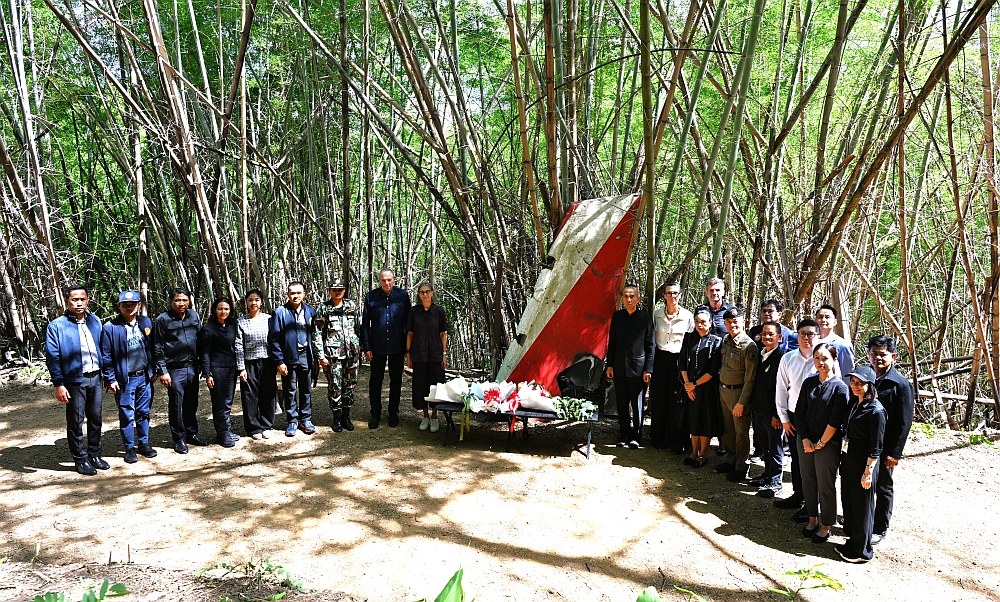
To commemorate the 223 victims – 10 crew members and 213 passengers – of this worst disaster in Austrian civil aviation history, the Austrian Ambassador, Katharina Wieser, together with Austrian and Thai members of the Thai Austrian Society (TAS), the Governor of Suphanburi Province, Natthapong Sanguanchit, and other local officials visited the memorial sites on 26 and 27 May. These memorials are now all in an excellent state of repair, following the Austrian Embassy’s efforts in recent years – under former Ambassador Wilhelm Donko – to ensure their preservation and to secure the transfer of primary responsibility for their upkeep to the local authorities.
This is because, with financial support from Austria now having ceased, the long-term preservation of the sites can only be guaranteed through the commitment of local institutions. Thanks to regular visits by the Austrian Embassy in Bangkok and modest support from a small fund set up for conservation purposes and managed by the TAS, ties with the local authorities have been strengthened, resulting in the memorial sites now being in an excellent condition.
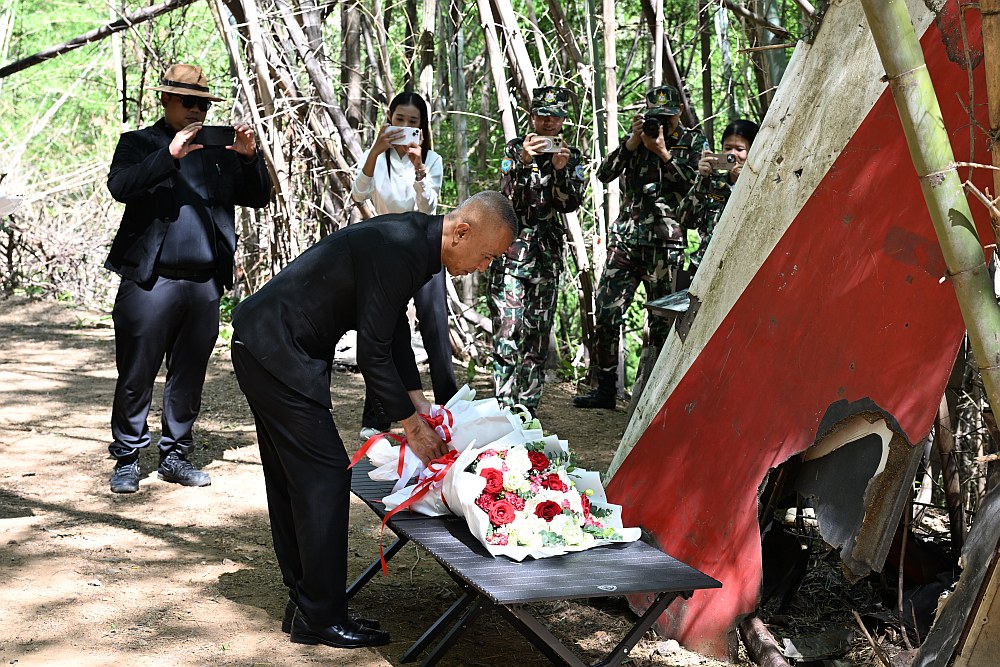
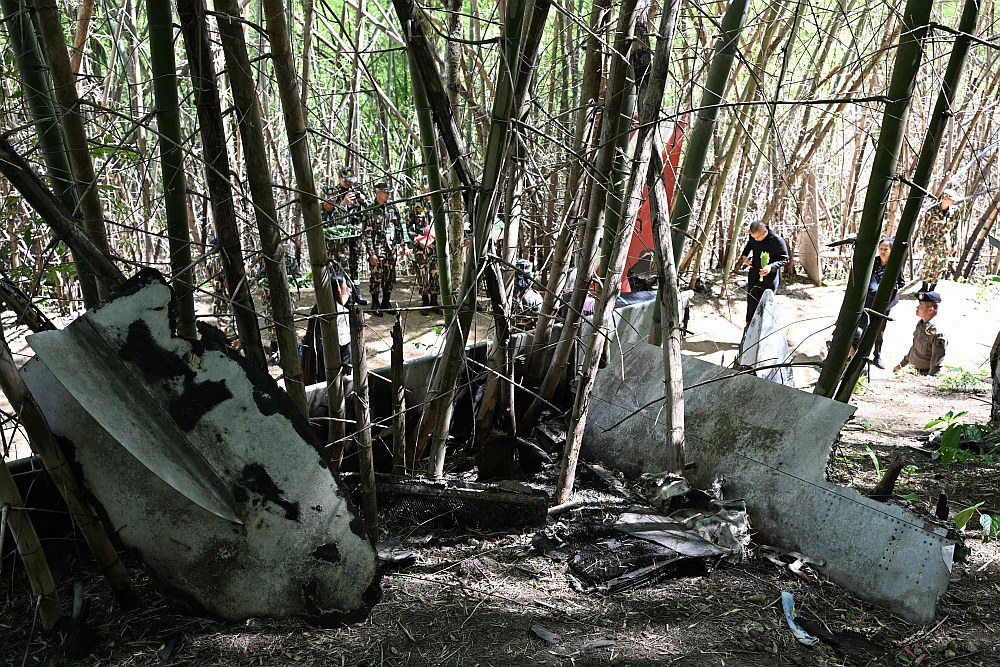
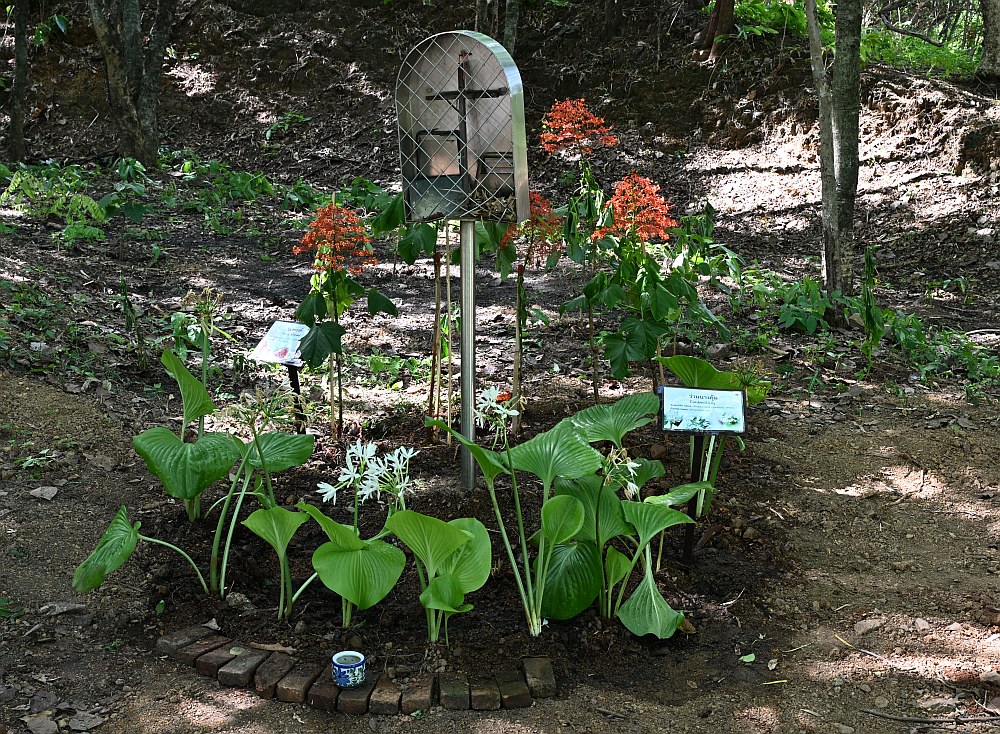
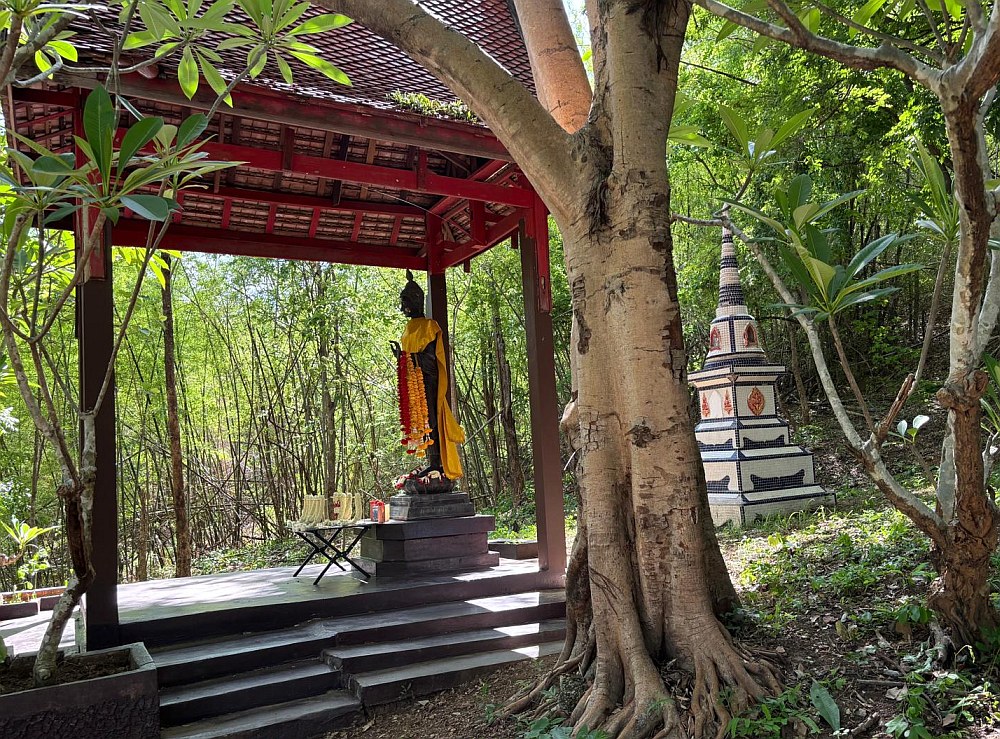
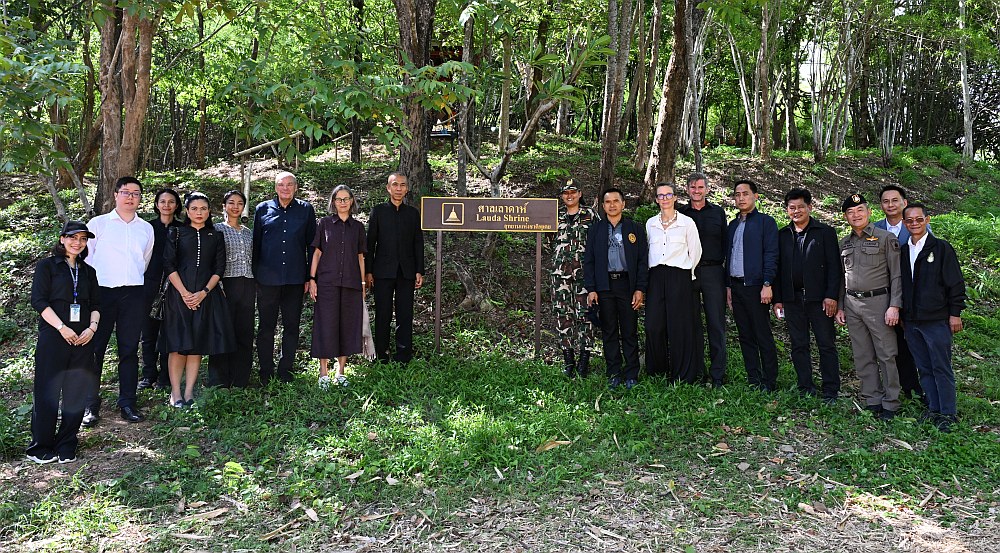
The crash site in the forest – where a commemorative plaque has been erected next to a red-white-red piece of wreckage (part of the vertical stabilizer of the crashed aircraft) and where some of the colourful ‘spirit houses’ typical of the area have been built – can now be reached in around 20 minutes from the entrance to the national park. Here, on 26 May, the group laid white flowers and paid their respects to the many victims amidst the air filled with the creaking of bamboo poles and the shrill chirping of cicadas. On the path between the crash site and the entrance to the national park, on a small hillock, there is another memorial site, the so-called ‘Lauda Shrine’, featuring a Buddha statue, a small pagoda and a cross, which must have been erected in the past by relatives of the victims. The pagoda, which had still been slightly damaged during the Ambassador’s last visit in March, had been repaired in time for the anniversary. Here, too, garlands of flowers were laid, and bushes were planted around the cross.
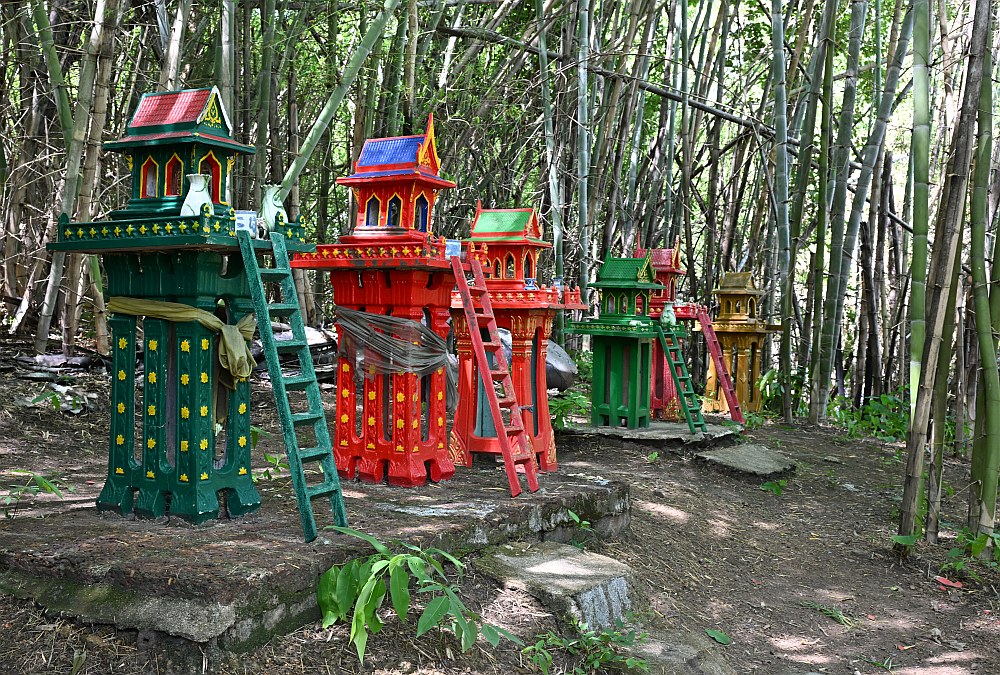
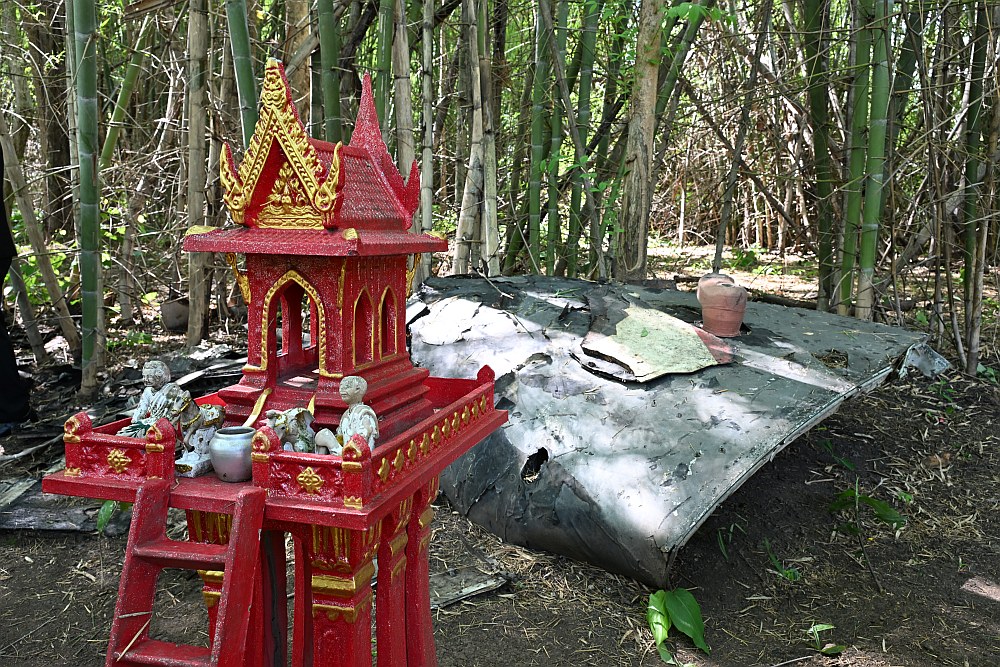
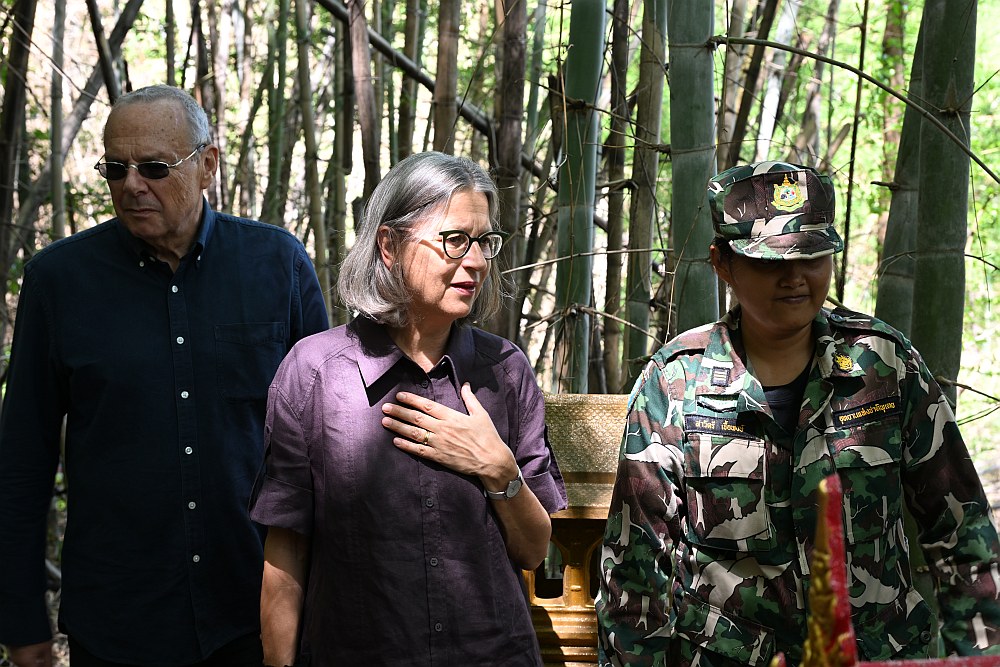
The dedicated director of the national park, Ms Sawitree Chuapong, is responsible for the upkeep of and access to these two sites; she has made conservation a cause close to her heart, supported by the national park’s more than 70 rangers.
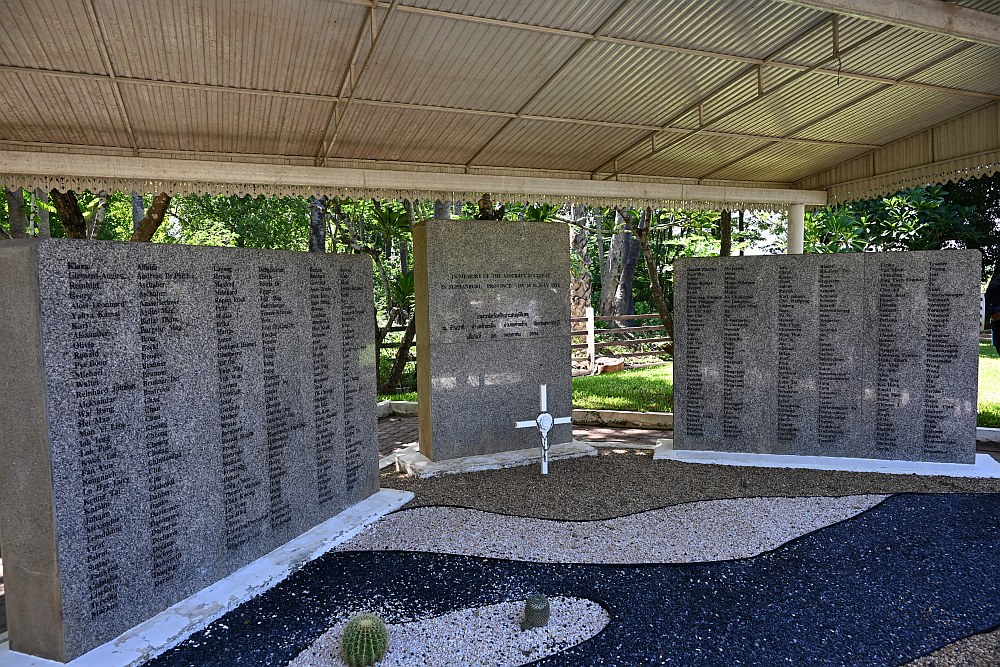
The following day, 27 May, the group visited the cemetery near the town of Suphanburi – approximately a two-hour drive from the national park – where the 27 unidentified victims of the accident are buried. Around half of them are Austrians and people from South Tyrol. Editor’s note: The Republic of Austria officially regards itself as the ‘protecting power’ of the autonomous region of South Tyrol, which, under international law, belongs to Italy pursuant to the Treaty of Saint-Germain of 1919. The other two largest groups of victims are from Thailand and Hong Kong. It was therefore particularly moving that the son and nephew of several unidentified victims of the disaster accompanied the Austrian-Thai group and, through his direct personal connection to the tragedy, gave the commemoration a very personal touch. Special tribute was paid to the 27 unidentified victims who lie here in a mass grave, and whose names are engraved on a separate plaque.
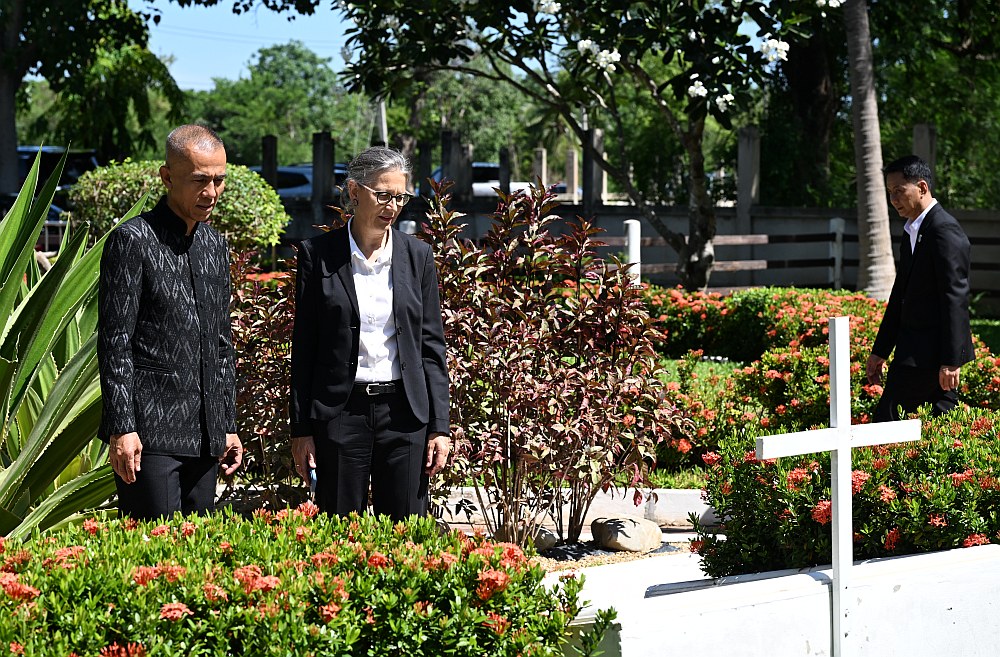
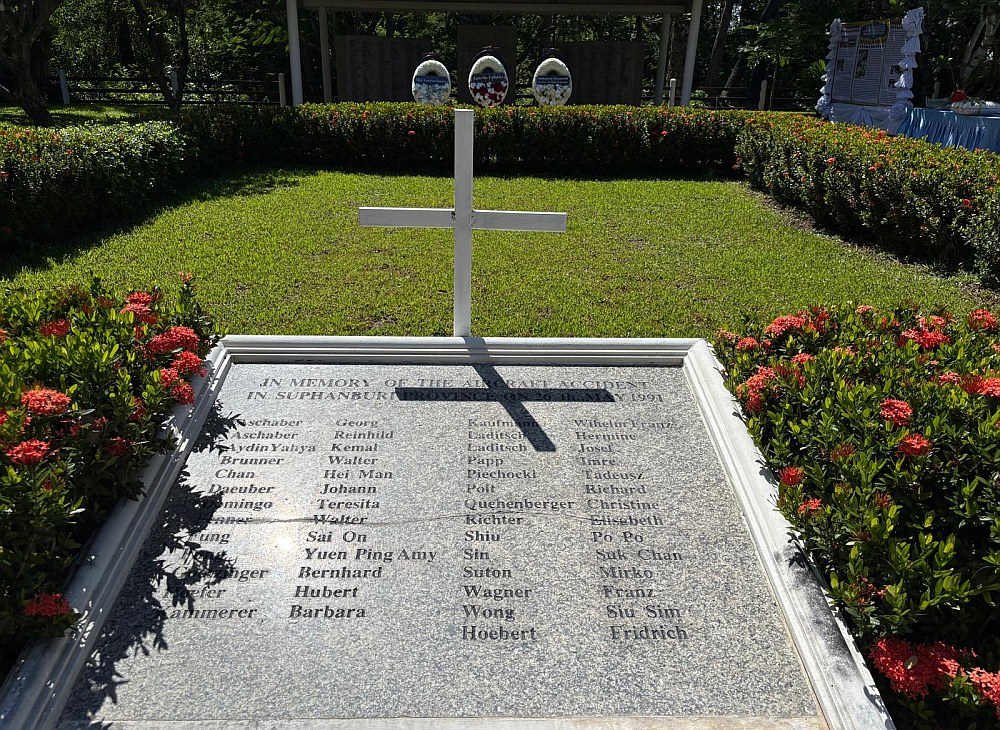
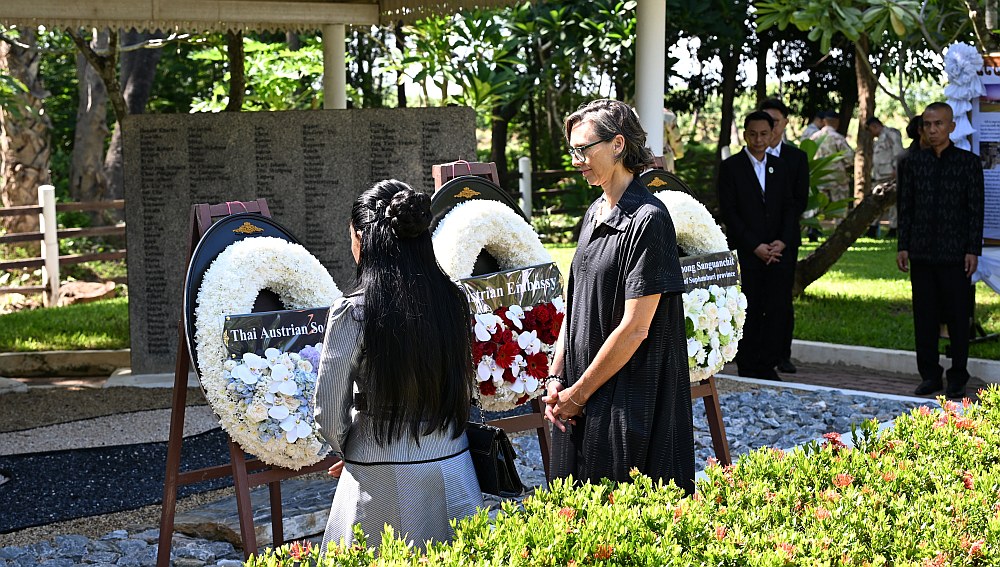
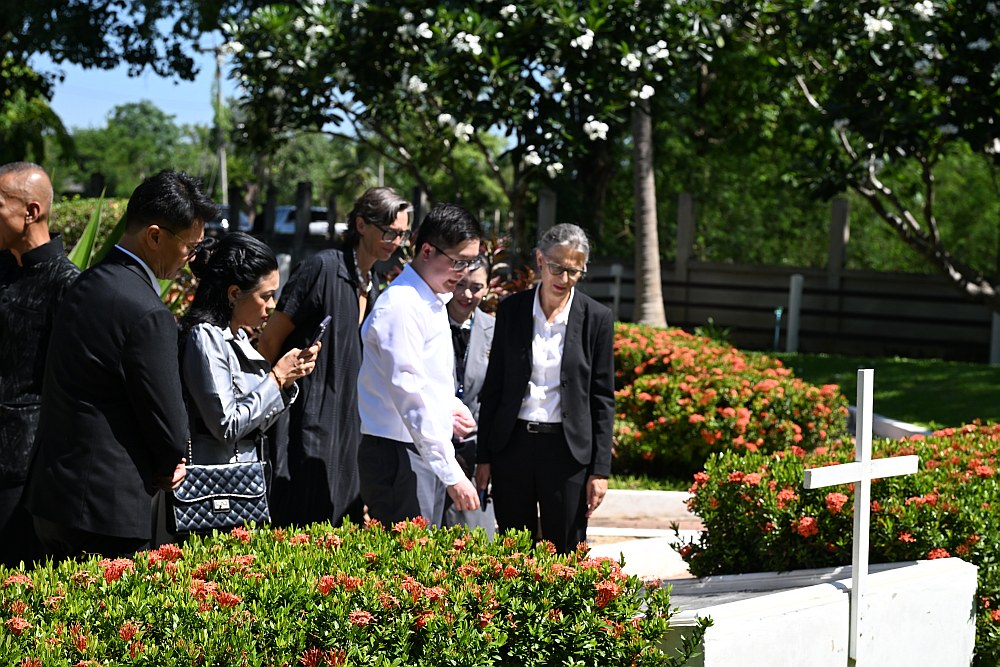
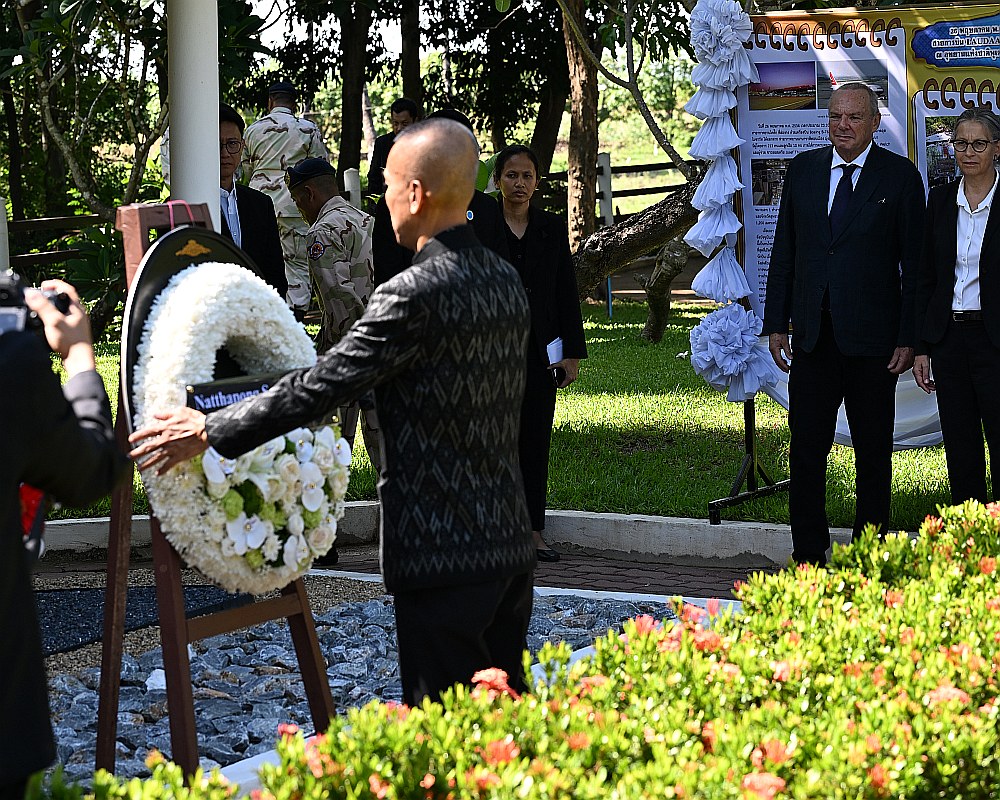
The cemetery, which had fallen into disrepair in previous years, is now in excellent condition and is maintained by a gardener under the responsibility of Suphanburi Province. Wreaths were laid in front of a large plaque on which the names of all the victims are engraved; Ambassador Wieser and the Governor gave speeches, followed by a minute’s silence.
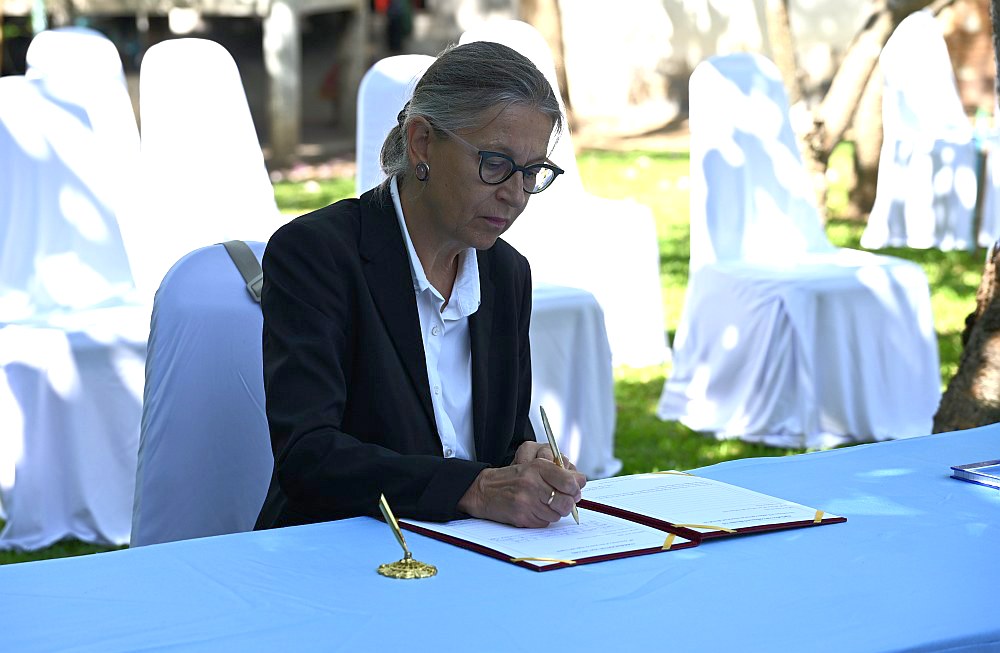
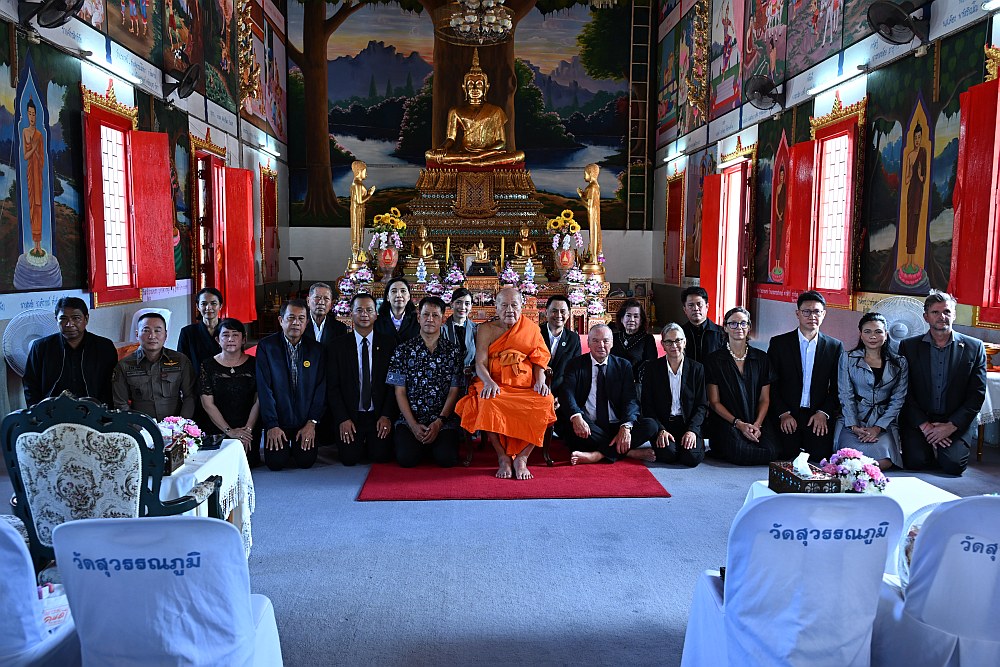
The group then travelled to Suvarnabhumi Monastery, which is providing the land for the cemetery, and thanked the abbot for this generous gesture. For everyone involved, this visit to the memorial sites was a valuable and moving experience. The Austrian Embassy in Bangkok will continue to visit Suphanburi regularly in future and maintain its ties with the local authorities in order to accompany and support their commitment to these important sites commemorating the many Austrian, as well as Thai and other, victims.
(red / Austrian Embassy Bangkok)